1868 The Black Friday Flood and New Digs

March 22

Patrick and Katherine Kavanagh welcome a baby girl, Alice. Their first daughter joins their two sons as the Kavanagh family gets a little bigger. The Kavanaghs all still living at 89 Albemarle. Three generations in one home. As Patrick and Katherine’s brood gets bigger, that will have to change.

July 24

The Black Friday Flood hits. A massive storm with torrential downpours slams Baltimore City. A tremendous amount of water causes the Jones Falls to overflow. At one point, the water level rises 5 feet in 10 minutes. Joe and George try their best to deal with the water, but it’s impossible. They scramble to save their tools, supplies and any of their products they can. The stall at 1. W. Falls Avenue is washed away. Joe and George salvage what they can and return to their homes. Joe sits at his home on Albemarle Street and thinks of what he can do. His short-lived business is essentially all gone.

July 29

Joe and George meet on Albemarle Street. They both agree to carry on. They need to find new premises and hopefully one more permanent than the stall. George has a lead on a building on Lombard Street. Joe and he inquire about its availability.

August 3

Kavanagh & Smith open a new facility, 16 W. Lombard Street. The partners have decided to give it another try. They pool their money and are able to acquire this much more permanent Shop. They are taking a chance, but they were doing fairly well in their stall. It’s a risk, but the other option was to give up on the business. The building is approximately 50 ft. X 20 ft. There’s room to build and grow, if that is necessary. They have more room to work and sell. Joe has an actual shop to work in now. It’s more convenient, safer and more secure. This new building offers a chance to be more successful. The process of moving was relatively simple. A few tools and supplies were all they had after the flood. Any move is complicated, but this one I am sure was quick and easy. Considering the flood and damage, there wasn’t much down time and they get back to work. They make their pots, pans, pitchers and sundry. But now, Joe also has some privacy. To develop his skills and his knowledge. He begins tinkering with the design of the French Column Still he learned about in France. When he is not otherwise occupied with his copper products, he begins exploring ways to make the Column Still even more efficient. Off hours things. After closing time. As an owner, closing time is quite often an open-ended time.

August 20

A blistering heat wave burns over Baltimore. Joe misses his old stall a bit. A breeze that offered some relief there is missing from the new shop. Still, he hammers away. He anneals, he bends, he twists and pounds his copper. Despite the lack of wind, the new shop seems to be working out well. They are able to make larger pots and kettles for cooking now. The room affords them the opportunity to try new things. They are able to store and use larger blocks and sheets of copper. Foot traffic near the Lombard Street building brings them a steady supply of customers. The heat is more tolerable as they get busier and busier. Work can cure all ills at times. The production of larger kettles opens up the possibility for commercial customers, as well. All the while, Joe is still contemplating the Column Still. He believes that the burgeoning distilling industry may be a better potential source for work than even the food service industry.

December 20

The first winter at 16 W. Lombard Street arrives and Kavanagh & Smith couldn’t be happier to have four walls. The stall is not missed at all now. Of course, as mentioned earlier, using a torch will help keep you warm through the day. But nothing seems better for warmth than walls and a roof. The two friends speak gently of their successful recovery from the flood. They know success can be fleeting. They continue to work and make bigger plans. Their thoughts return again to purchasing a horse and cart. A way to reach a wider range of folks and increase their customer base. They table this plan until after the winter. Next year, they will re-evaluate.


Andrew Johnson finishes his term. In November, Ulyssess S. Grant defeats Horatio Seymour to become the 18th President of the United States. Memorial Day is observed for the first time. The Maryland School for the Deaf is established in Frederick, MD. The first volume of the novel, Little Women, is published. W. E. B. Du Bois and Scott Joplin are born. After the re-admittance of six Confederate states, there are 33 states in the Union.
1867 Kavanagh and Smith

January 5

It is a very cold winter day at 1 West Falls Avenue as the new year begins for Kavanagh and Smith. Business has slowed some but this was not unexpected. Robert Parker Coppersmith, the former occupant of the stall and Joe’s former employer experienced the same drop off. Joe and his partner George Smith anticipated it and are happy with the work they have. A steady flow of buyers walk through the door though reduced from the warmer months. People have less money in the winter as funds must be used to keep homes warm and that takes precedence over pots and pans and Joe’s other products. The Shop has work enough to keep them going and they are content for now.
April 14
The Shop, as Joe has begun to call it, has made it through its first year. The spring has brought more work and the partners are happy to celebrate their anniversary but to them, it was work, day to day. Still, when you own a business these markers are out there. You take note, feel some pride, but then you just go about your job and do what’s necessary. They got through their first winter. Imagine winter without heat or electricity. It was a hard life. It was normal at the time and thus, perhaps, more manageable. That all being said. Coppersmithing is a good job in the winter. You spend a lot of time with a torch nearby if not in your hand. One of the unexpected benefits of working with heat and fire. You’re actually colder at home than when in the Shop. Joe and George make some plans to purchase a horse and cart to move their wares about the city. The company is so new, but there are plans already to grow and expand.
June 14
Today the usual copper household items Joe makes are interrupted by a brass job. Joe can work brass. That is not an issue. He is not a brazier whose specialty is brass but a coppersmith. A customer enters the stall and informs George Smith he requires a small railing around a garden he is tending. The owner is well to do and has requested the railing. George calls Joe to step out of the Shop area and speak to this fellow. Joe assures him he can bend the rail if he can tell him exactly what he needs. The man has made a small sketch of a circular rail that surrounds a section of garden. Joe thinks for a moment then ask the gardener to return tomorrow and they will quote a price. Joe and George discuss the job and Joe lets his partner know how much time it should take. George spends the afternoon inquiring into the price of brass. He visits smelters to price copper every few days so he is familiar with the price but brass is different. Kavanagh and Smith quote the job and bend their first railing over the next week. A job that certainly augments their normal sales.
August 12
As great as coppersmithing is in the winter, it’s equally horrible in the summer. Once again, you are holding or near a heat source all day. 90 degrees can feel like 190 degrees when holding a torch in your hand. The summer days are days of oppressive heat and relentless work. As a smith, it’s a hard, physical job, but it’s also one of precision and detail. Every hammer impact is done with some care as a miss-hit could require three or four more taps to repair it. So, you have to be cautious. You have to be sure, but you also have to be fast. You can’t take your time as if there is no limit. You offer to make something at a price. You have to stick to that price. It’s a balancing act of quality and time management. You have to make a good product, but the smith who doesn’t concern himself with the time involved is a smith who won’t be smithing for long. Fortunately, Joe has George to help with sales and the business end of it. George gets his hands dirty occasionally because some jobs do need an extra pair of hands and until they can hire a helper, George is the helper. The two work well together and that’s very necessary for a partnership. This partnership is off to a good start mostly due to their hard work, George’s business acumen and Joe’s talent with copper. Joe was an extremely skilled coppersmith. One thing the Kavanagh generations agree on is his level of skill. The ability to wield a hammer with strength and precision are the most desirable traits in a smith. Joe excelled at both. The heat of an August day, the flame of his torch combine for a laborious summer day. Yet, a day that will be repeated again and again.
November 1
The winter arrives early on this cold blustery November morning. Joe wields a blow pipe or torch through the day and it is most welcome. The torch is used to anneal copper. Annealing is heating and softening metal for bending. The heat of the torch is an absolute bonus on a chilly day. It helps you do the job and gives some warmth as well. In a time of no electric or gas heat, some annealing can be a godsend. George meanwhile is doing his best to ply their wares from the storefront of the Falls Avenue building. Sales are up and down but overall, the need for their pitchers, pots, pans and cooking vessels stays fairly consistent.
December 25
Christmas is celebrated at Albemarle Street with the family in a festive mood. Joe’s Shop is doing well and he is gaining confidence every day that his early success will continue. The Kavanagh’s gather together and enjoy the holiday with food and song. Music is part of their religious and cultural tradition. Hymns and Irish folk songs are part of how they bond as a family, cherishing their faith and heritage. They are still an Irish family in America. They have been here less than twenty years but they know they belong. Alice and her children have made a home here, more specifically in Baltimore. The holidays is joyous and Joe and his family look to the winter and hope for a good year.


Andrew Johnson is the President of the United States. He dodges several bullets from Congress then is formally impeached by the end of the year. He’s cleared by one vote in the Senate. Reconstruction goes on. Laura Ingalls Wilder, Cy Young, Wilbur Wright and Molly Brown are born.

There are 27 states in the Union with the creation of Nebraska on March 1.

1866 The Beginning

April 9

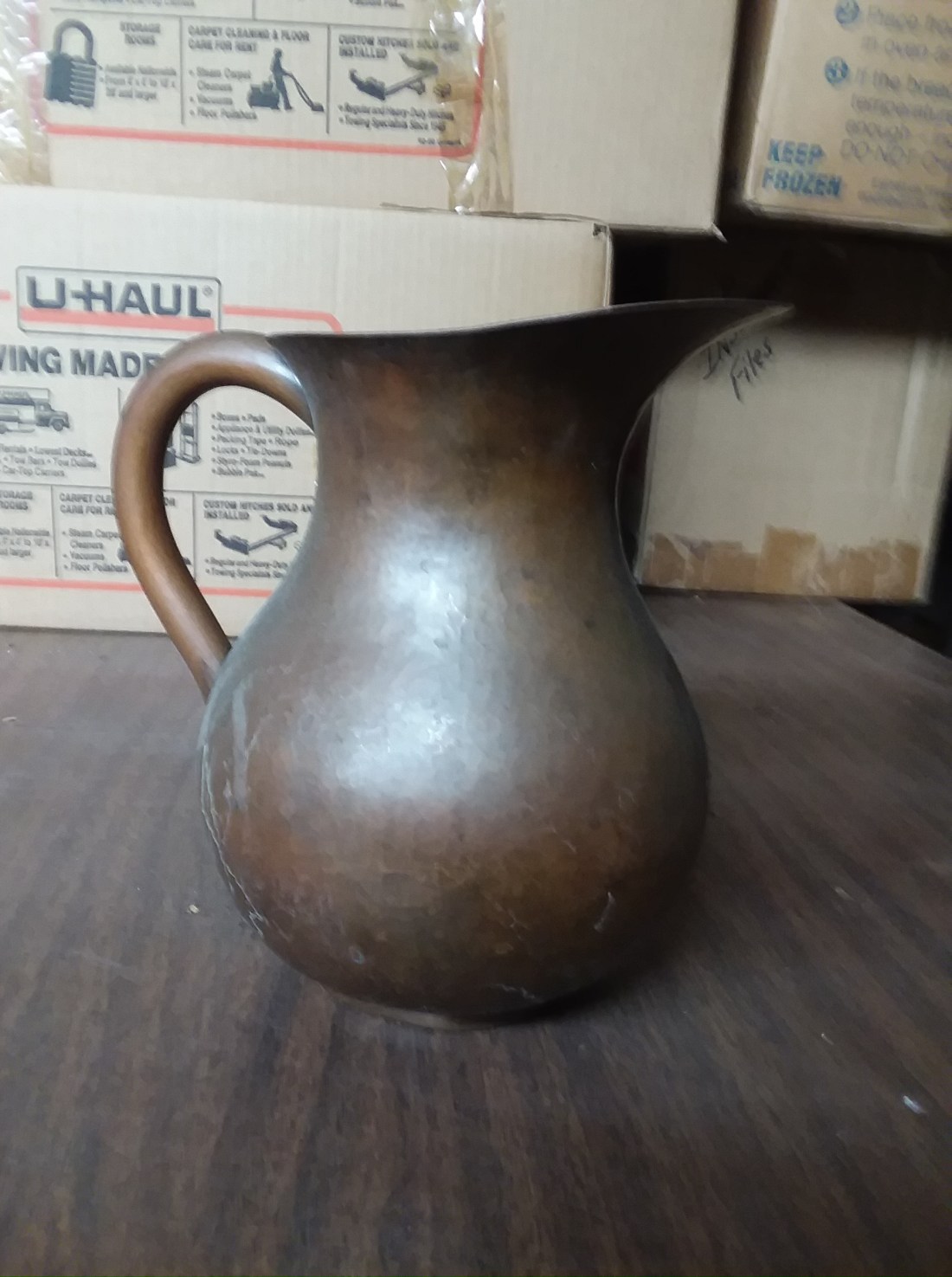
Joseph M. Kavanagh and the son of a fellow coppersmith, George Smith Jr. form a partnership, Kavanagh & Smith which will be the precursor to the Joseph Kavanagh Company. George Jr. is fresh out of the Union Navy. His father and Joe both worked for Robert Parker Coppersmith and when Mr. Parker was preparing to retire, George Jr. and Joe combined their money to buy his equipment and began renting the stall at 1 W. Falls Avenue that his shop had used. The partners would do their best to keep as many of Mr. Parker’s customers as possible. They have the same location which helps with that. George Sr. did not work at the new Shop though he may have helped out at the start. He was retirement age just as Robert Parker was so if he was involved it was only in the beginning and briefly. The arrangement was for Joe to be the smith (despite his partner’s last name) and George Jr. to be the bookkeeper. George was not a coppersmith, but I’m sure he was familiar with the industry due to his father’s experience. Joe will need to do the work of three men until they are able to hire some help. The stall at 1 West Falls Avenue was very close to the Jones Falls and actually doesn’t exist anymore. The Jones Falls Expressway is there now. They made and sold household items from copper. Pots, pans, goblets and pitchers (like the one in the photo below). Joe had hammers, tongs and a few other hand tools to do his work. For heating or annealing copper, he used something called a gas-lamp or gas-pipe. They were early blowtorches. It’s a crude torch with the fuel source in your hand along with the torch itself. Dangerous, without a doubt, especially compared to the propane torches of today. Annealing is heating copper to soften it, making it more malleable. With heat, his hands, his tools and the sweat of his brow he did his work. By all accounts the partnership of Joe and George Jr. was an amicable one. Of course, there are very few accounts, but it seemed to work. They started this business with little fanfare or any thoughts to its longevity.

July 25

Patrick and Katherine Kavanagh’s second son is born. Joseph Anthony Kavanagh. “Crazy Joe”, as he eventually is called, was a song and dance man. At 17, he did the Kavanagh equivalent of running off to join the circus. He joined a minstrel troupe. He traveled the country and Europe as a vaudevillian. He was never a coppersmith, but when his time comes, he brings a showman’s style and panache to the Shop. That’s a long way away though.

October 7

The Second Plenary Council of Roman Catholic Bishops begins in Baltimore. It will last for two weeks and is a meeting of the governing body of bishops under the Archdiocese of Baltimore.

October 9

Kavanagh and Smith is busy with pitches, pots and pans to make and so far so good for Joe and George. George Smith is good with customers and has been able to keep a few folks coming in the door every day while Joe toils at the copper. He heats and hammers, shaping copper into whatever the customer needs. They keep a stock of wares for those that walk in and also make larger items when requested. The partners have made it to the six month mark and they are hopeful.

December 25

The Kavanaghs celebrate Christmas on Albemarle Street. They are a close knit family and they all work their jobs for the family. They are still led by their mother, Alice Kavanagh. The woman with the unimaginable courage to bring them all to this country for a better life. Christmas is centered around Church and family. They attend Christmas Eve Mass together than spend the next day eating, talking and singing as a family. Gifts are opened but mostly for the children. Their holiday is not unlike ours but different in its simplicity. The simple pleasure of a day off from work, a day to thank God and treat the family to something special. A wonderful meal is prepared and the children receive some toys. Joe Kavanagh’s Shop has been able to retain most of Robert Parker’s customers and make a few new ones of their own. Joe works many hours to stay ahead of the demand for his wares. He knows it will be worth it and he knows he has the skills and this is the best way to use them. He is content but concerned about the future. Kavanagh and Smith is still a new enterprise and there will be many challenges.

I often wonder what Old Uncle Joe (Joseph M.) would think if he knew we were still around, still open. Five generations of Kavanaghs after him have kept this place alive as it did the same for him. I wonder if it might change his view of his life. I’m sure he’d be stunned. People in the 1800s were not even dreaming about the 2000s. You don’t set out to start a business to last over 150 years. It would be ridiculous. You don’t try to do it, but it doesn’t happen by accident either. It doesn’t happen by accident or luck. I can assure you of that. It’s one of those kind of things. When Old Uncle Joe started this place, dreams were formed and destinies set. His, mine and everyone in between.


Andrew Johnson is the President of the United States. Abraham Lincoln was assassinated less than one year before this beginning. In August, President Johnson declares the Civil War officially over and the country will try to rebuild. The ASPCA is founded. The James Gang commits its first bank robbery. Use of the metric system is legalized in the US. The first roller rink opens. Anne Sullivan and Butch Cassidy are born.

There are 26 states in the Union including Tennessee which was re-admitted on July 24, 1866


*A note on re-admittance. Technically, the Confederate Sates never left the Union. When I use the term ” re-admit”, I mean when they regained representation in Congress and were getting their state autonomy back. Though not exactly re-admitting, it’s the simplest term for me to use.

20180409_125942 (1)

Dedication

This story is dedicated to my father, Jack Kavanagh Sr. Big Jack he was called in the Shop. An amusing nickname to his crew, when you realized that my brother, Little Jack, was several inches taller than he. He was named John Joseph Kavanagh but, a mistake on his birth certificate discovered when he applied for Social Security revealed an error. He was technically Joseph John Kavanagh. He was a Joe Kavanagh and didn’t know it. He worked at the Shop for about 47 years. He was the finest leader the Shop ever had in my opinion and I’ve spent a long time studying our history. Firstly, he was an incredibly skilled metalsmith. He seemed to have been born with a piece of metal in one hand and a hammer in the other. Also, he had the ability to foster and grow relationships with customers and vendors. People liked him. I suppose because he liked them. He was an amazing father and boss as I knew him as both. He taught me everything I know. He handed out wisdom to anyone like popcorn at the movies. He lived a long life. He passed August 19, 2017 at the age of 93. He laid witness to more of the history of the Shop than anyone ever has.

He was a man of many talents. He played piano from the age of 8 and could fill a room with music and entice people to sing on special occasions. He was a baseball player in his youth and a lifetime fan. If you were so inclined to enjoy a day of talking baseball, he was your man. He was a veteran. Serving in the Navy on the USS Strickland during World War II. He was proud of his service and being a Navy man, but prouder of the people he met and what they did together. He also served in the MD General Assembly as a Delegate for two terms. Politics was not his cup of tea. He told me too much “glad-handing” for him. Though, of course, he cherished the experience and the memories. He fathered nine children. Each one thinking they were his favorite. No one got slighted by our Dad. It was not in his nature. He chose to treat people like family whether they were or not. He remembered people, he remembered their families and what they liked about life. He had a way of making people feel happy for who they were. I think of him and I smile.

After his passing, the family has found several handwritten versions or snippets of the history of the Shop. It seems he may have been trying to tell this tale for a long time if not, his whole life. Whether it was through storytelling or these written notes we’ve been finding, he wanted this story to be known. I’m going to do my best to do it justice. He was a man who used common sense yet possessed an uncommon heart. He took little pride in his accomplishments, but felt pride in the people he met and knew in his life. I think he found no value in personal pride. It’s not to say he didn’t feel it, but it meant little to him. Life never seemed to get to him. The grueling, overwhelming challenges that we all feel in our lives. He never let it get to him. He was happy and sought to spread that. He lived that life of true freedom that we all seek. He was truly free. Therefore, he feared nothing.

This is for you, Dad. I love you.

20171105_014751
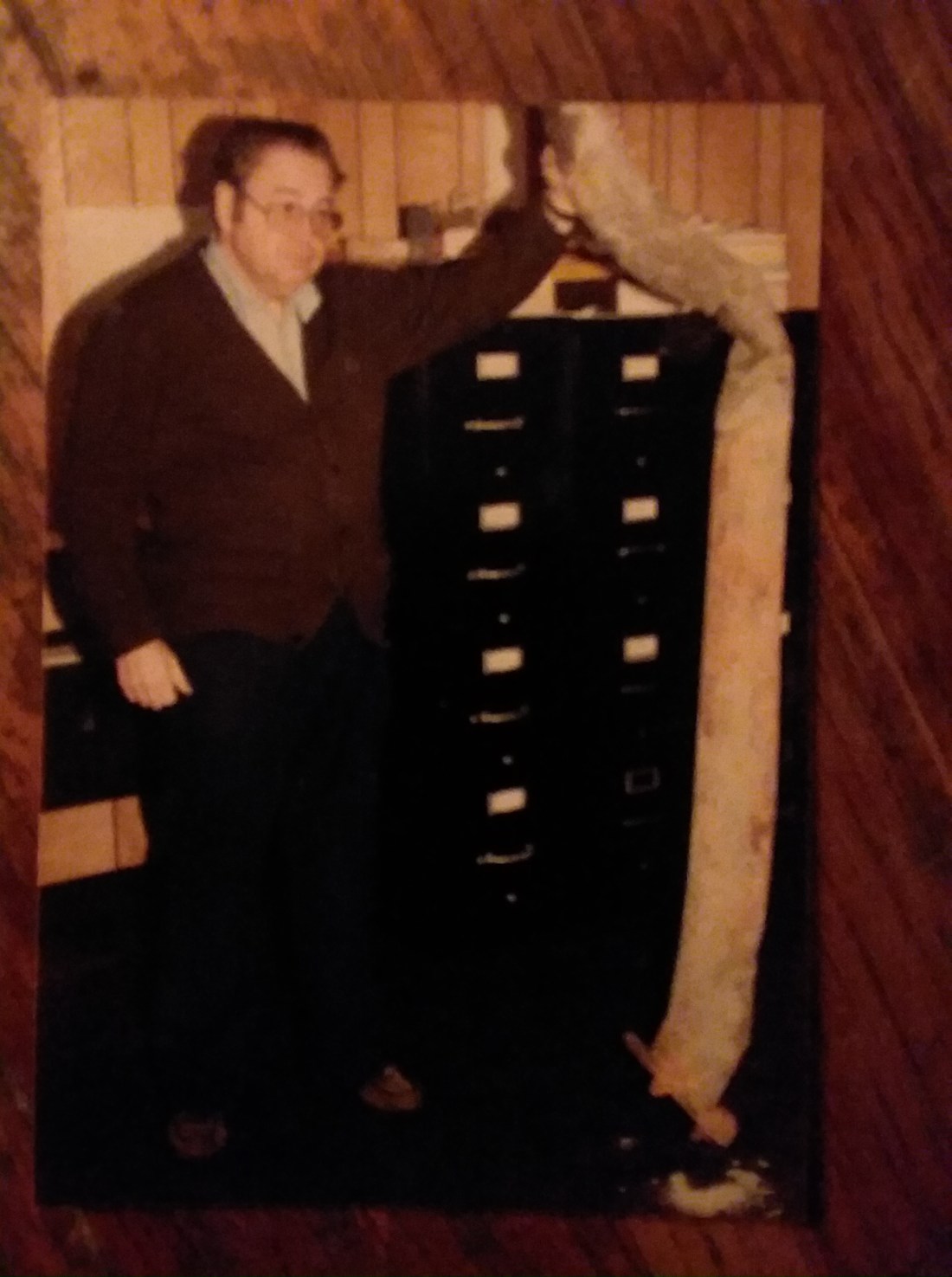
Big Jack Kavanagh at the old Pratt & Central building.

The Kavanaghs in Question.

Kavanagh is a very old Irish surname. It’s been around for centuries. There are several different spellings of Kavanagh. There is Kavanagh, Kavanaugh, Cavanagh and Cavanaugh. I imagine there are others, as well. My family are Kavanaghs. “ K no u” as my mother used to tell people. This seemed to work though on one occasion a grammar school teacher took to spelling my name Knou.

The Kavanaghs in this story came to America from New Ross, County Wexford,  Ireland. They sailed here in 1849 arriving in Philadelphia. It was my great-great-great grandmother, Alice Clarke Kavanagh and 3 sons and a daughter. Her husband, Patrick, died in Ireland before the journey. Seemingly, it was not uncommon that Irish immigrants consisted of a widow and her children. They came here to escape the poverty and starvation rampant in Ireland at the time. Once the potato famine hit hard, over 2 million people died of starvation in a 10 year period. I’m sure the Kavanaghs felt their options were limited so, they decided to come to this new country that was rumored to have freedom and plenty. They wanted a better life as did all immigrants. America was still the New World and there was opportunity here. Her sons were Patrick J. ( 15 ), Joseph M. ( 13 ) and James J. ( 11 ). Her daughter was Katherine M. ( 9 ). The voyage from Ireland to America took 2- 3 months at that time. It was a dangerous trip. There were ship wrecks, diseases such as cholera and, again, starvation. Food and water were rationed and sometimes not enough.  I think of the courage it took for them to make this trip. Astonishing. It could not have been an easy decision to begin this long journey to such an uncertain end. Alice Kavanagh bravely took a leap of faith for her family.

I know nothing of their time in Philadelphia. I don’t know where they lived or who they lived with upon arrival. They didn’t stay there long. By 1853, they had moved to Baltimore. I can’t be sure why. I do know that Alice lived at 65 Center Market at that time. She was a dressmaker and was able to scrape out some living in that way. Center Market was a bustling section of the city at that time full of fresh new arrivals. Very much an immigrant haven. Within two years, they had moved to 107 Albemarle Street. I believe this house still exists though, the street number has changed. They lived in several homes on Albemarle St. for about the next 50 years. Her oldest son Patrick (my great-great- grandfather) was a Ship’s Carpenter. Work was hard to find. They encountered some anti-immigrant discrimination. I was told many times of signs in shop windows saying “Irish need not apply”. The boys did their best to gain skills and help support the family.

Facts are hard to come by but, I know the stories. Supposedly, Alice’s second son, Joseph Michael (founder of the Shop) traveled to France as a young man. He studied the French Column Still. The column still was a recent innovation in distilling. It could produce a higher proof alcohol and do so quicker than traditional “pot” stills. These Kavanaghs may have had some French blood in them. Alice’s mother-in-law had the surname of Devereux. Perhaps, young Joe was visiting family or trying to learn a trade. What I do know is that he returned with a great knowledge of distilling and whiskey. It would serve him well as the great coppersmith he would become. In addition, Patrick eventually marries a French woman. Maybe he made the trip with Joe. Maybe she was here. I don’t know but, Patrick does marry Catherine Lubre on December 30, 1860. There is some “ French Connection” as it were. I just don’t know the exact details. Through the late 1850’s, the Kavanagh family is still settled on Albemarle Street. Joseph, with his new skills, begins working here and there as a coppersmith. Several months after Patrick’s marriage, the Civil War begins at Fort Sumter.

On Dec. 2, 1861, Patrick enlists in the Patapsco Guard. A local Union troop from Maryland. They were primarily based near Ellicott City. Their main function was to guard and protect the railroad which was vital for supplies and information. They were involved in some other battles including a skirmish at Gettysburg. Once again, I do not have much information on his involvement in the war. At the same time he was in service, Joseph was plying his trade in copper and the youngest son, James became a printer. He worked at the Baltimore Sun for a time. Patrick and Catherine have a son, Martin J. in 1862. I guess being based in MD, close to home, had some benefits. Eventually, they will have 9 children. Of his 7 sons, Patrick refused to name any of them after himself. He feared that the name “Patrick” sounded too Irish. He didn’t want his children to face the prejudice he did.

After the war, Patrick returns home. Joseph and James are working as a coppersmith and a printer respectively. Katherine marries Edward Brady. All still living on Albemarle Street as 1865 closes. America is back together as one nation yet, still fractured and with many wounds to heal. In the next year, the Shop opens for business.


cropped-kavanagh_coat_of_arms.jpg
 

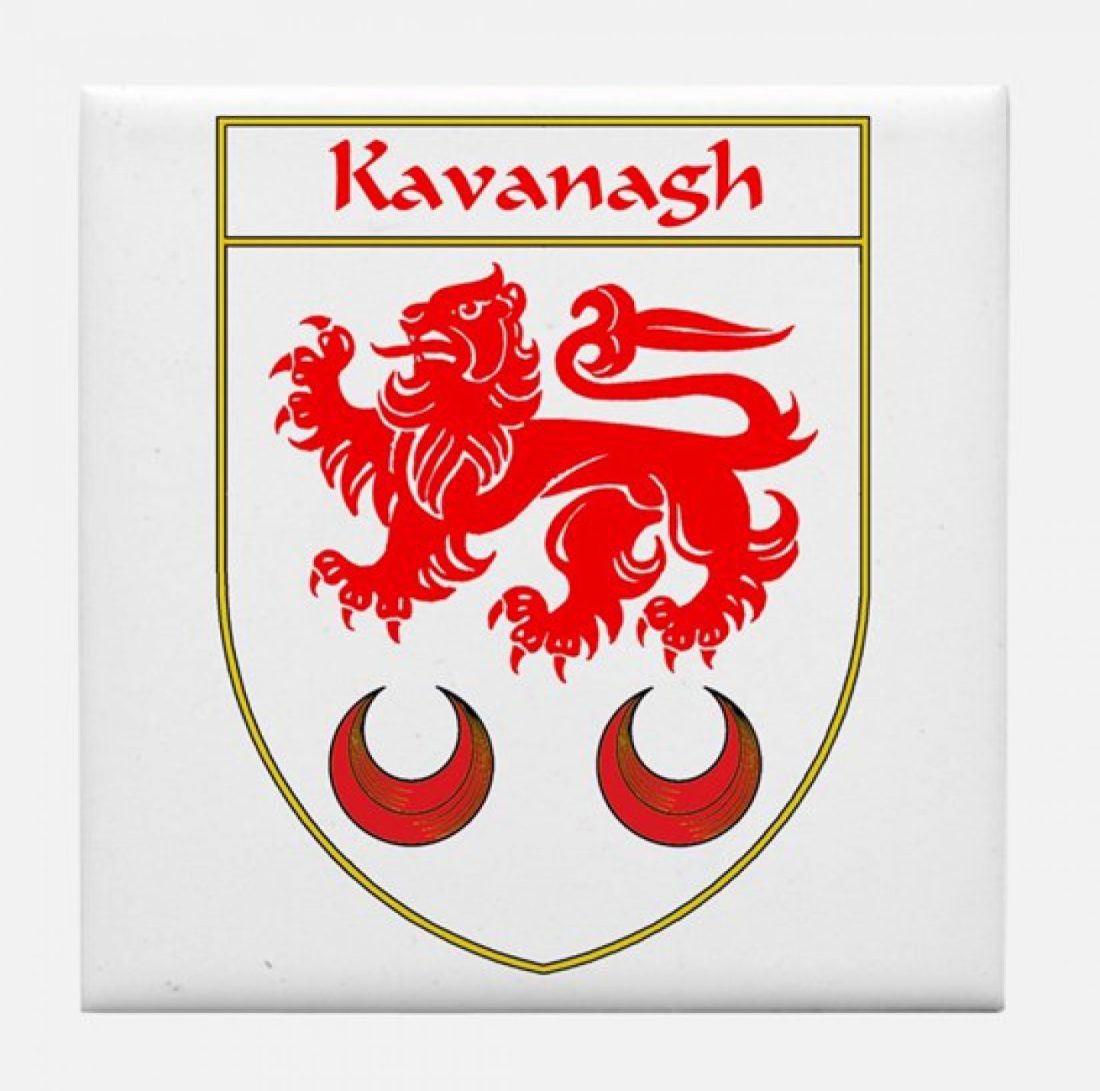
The Kavanagh Coat of Arms


Copper

Copper is the first metal to be worked and shaped by humans. Egyptians and Romans used copper for ornate objects such as rings and necklaces. Copper is very malleable. Even cold it can be worked. In fact, if you shape copper with a hammer, it will bend but also get tougher, harder ( work-hardening as we call it). Once the process of annealing was discovered,  bending and forming copper became much simpler. Annealing is heating metal to a high temperature to make it more workable. With heat, copper becomes extremely soft and can more easily be made into whatever object the smith might desire. Household items, cooking vessels such as pots and pans became standard fare for a coppersmith by the late middle ages. This continued through the 19th century when a skilled smith who knew copper could readily find work. Eventually, the distilling and brewing industries expanded the opportunities for coppersmiths to ply their trade. Now, the vast majority of copper is used in electrical applications. Copper is not just a good conductor of heat but, also electricity. The salad days of the coppersmithing trade are long gone but, it’s still a useful metal with many advantageous properties.

Introduction

My name is Joseph Kavanagh and I work at the Joseph Kavanagh Company.  I didn’t start the business. It’s been in my family for over 150 years. The original Joseph Kavanagh was my great-great-grandfather’s brother.  I am named for him. We even share the same middle name, Michael. He opened the place in 1866 as a coppersmith shop. We’ve changed a bit over the years. Now, we bend most types of metal not just copper. Nearly every alloy or variety of metal, we can bend or roll into rings and shapes. Big stuff and little stuff.  We bend a lot of things. Bend to live. Live to Bend is our motto.

There have been a lot of ups and downs. 150 years is a long time. Depressions, wars, deaths, but it’s always been owned by Kavanaghs.  We don’t just do the owning. We do the work.  We are pretty much the definition of a small family business.  We’ve had employees, of course, over the many years though now, we are an all Kavanagh operation.  It’s me, my sister and my nephews. When needed, my wife helps out, as well.

We are working hard to keep the place going for the next generation.  That would be the 6th if we keep rolling.  It can be tough owning a small business these days.  I’ve tried a lot of things to save the place.  We recently took on a tenant and are trying to do other things to increase the volume of work.  I’ve been reaching out to any business group or  government agency I can find.  I have even tried crowd-funding and networking with folks who are interested in history and historical preservation.  Sure, we are a business but, believe me, we are historical too.  Not just due to our longevity, but also due to the work we have done and the projects we’ve been involved in.  We are trying  and I am hopeful that we can find a solution that works for this place.

I’ve decided to write a history of the business. The Shop as we call it and have called it for many years.  It’s a long rich history that has carried this place and this family from 19th century immigrants to 21st century Americans.  We’e been a part of Baltimore’s history and America’s. Perhaps, a small part, but a part, nonetheless. A small part of history is still history.  The Shop has grown and contracted over the years but, it’s been a constant. Always in and around Baltimore. Working metal. Using fire, heat, machines, hammers, clamps and our hands to shape metal.

This is our story. No matter what happens if I can finish this and people read and know our story, I will be happy with that.  My father would like that and his father and so on.  It’s taken a lot of research to get the facts as straight as I can get them.  Thanks to all who helped with that.  Family, friends and history buffs.

As I’ve said, it’s a long story.  It’s about  work and business and family.  But, the tale of the Shop most definitely starts with copper.